4.6 out of 5 from 15,000+ reviews Free shipping over $50 Discreet packaging

Designed to Elevate. Built to Dominate.

Lube and careMake everything feel better

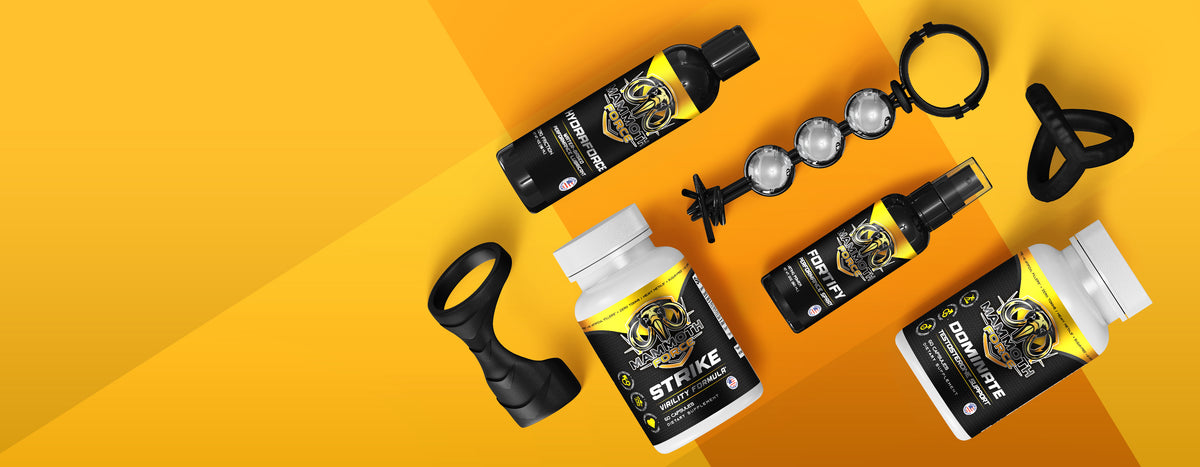
HydraForce lubricant plays nicely with silicone rings and toys. Most lubes on the shelf do not.

Shop now See HydraForce

4.6/5 from 15,000+ reviews Free shipping over $50 Discreet packaging

The Complete Lube Guide

Which lubricant base to use with silicone rings, condoms and toys, what osmolality means for irritation, and what you should never use.

Lubricant is the least discussed product in this category and the one that most changes how everything else feels. It is also the only product here where getting it wrong can destroy something else you own.

The bases

BaseCondom safeSilicone toy safeLongevityCleanupUse in water
Water-basedYesYesReapply as neededRinses offWashes away
Silicone-basedYesNoVery longNeeds soapExcellent
Oil-basedNoGenerally yesLongDifficult, stainsGood
HybridYesUsually noLongSoapGood

Water-based is the universal option. Compatible with everything: latex, polyisoprene, silicone toys, silicone rings. It absorbs and evaporates, so you reapply, and cheap formulations go tacky as they do. A few drops of water reactivates it. This is the right default if you own silicone gear, and everything in the Mammoth Force ring lineup is silicone.

Silicone-based lasts far longer, is superb in the shower or bath, and needs soap to remove. Its one serious problem is that it degrades silicone toys and rings on repeated contact.

Oil-based (coconut oil, petroleum jelly, lotions, massage oils) destroys latex. Do not combine it with latex condoms under any circumstances. It also stains, is hard to clean off, and may disrupt vaginal flora.

Hybrid blends water and silicone for a longer-lasting feel with easier cleanup. Usually inherits the silicone incompatibility, so check the label.

The silicone-on-silicone problem

This is the one thing in this guide that actually breaks something.

Silicone lubricant and silicone products are chemically similar, and repeated contact softens and degrades the toy’s surface. It starts as a slightly tacky feel, becomes gummy, and ends with a ring that is unusable and, once porous, not properly cleanable.

If you own silicone rings, water-based lube is the correct default. If you want to use silicone lube with a silicone ring, put a condom over the ring as a barrier, but honestly, using water-based is simpler. Full detail in silicone lube with silicone toys .

Irritation, and why some lubes cause it

Osmolality. Body tissue sits around 280 to 300 mOsm/kg. Lubricants far above that draw water out of the cells they contact, which can irritate tissue and damage the epithelial layer. The WHO has published guidance recommending lubricants stay within a defined range. Many popular products are well outside it. Manufacturers rarely publish the figure, which is itself informative.

Glycerin. Common humectant, contributes to high osmolality, and associated with yeast overgrowth in some people.

Parabens and preservatives. A frequent trigger for those with sensitive skin.

Fragrance and warming or tingling agents. Almost always the culprit when something stings. Warming lubes usually achieve the effect with an irritant.

Nonoxynol-9. A spermicide sometimes included in lubricants. It damages epithelial tissue with repeated use and increases infection risk. Avoid.

If you get irritation, move to a simple, unscented, glycerin-free water-based product before concluding you are sensitive to lube generally.

Using lube with a ring

A small amount inside the ring, a small amount on the shaft, then roll it on. Do the same before removal.

That habit fixes most of what people complain about with constriction rings: the drag, the pinched skin, the struggle to get it off. It also makes the 30-minute safety limit much easier to respect, because removal stops being a project you postpone. See the penis ring guide .

Cleaning up afterwards

Water-based rinses off with water and washes out of fabric.

Silicone-based needs soap on skin and can mark fabric. It is also genuinely slippery on tiles and in showers, so be careful.

Toys and rings get warm water and mild unscented soap after every use, a full rinse to remove soap residue, and a complete air dry before storage. Store silicone items separately, because silicone against silicone can react over time. See how to clean silicone toys .

Choosing one

Short checklist:

  • Water-based unless you have a specific reason otherwise, especially if you own silicone gear
  • Simple ingredient list, unscented, glycerin-free if you are prone to irritation
  • Stays slick without going tacky, or reactivates with water
  • A pump you can work one-handed. Genuinely matters
  • The right size. A 4 oz bottle is a realistic amount to actually use before it ages

HydraForce is a 4 oz personal lubricant formulated for low friction and everyday use. Check the ingredient panel on the product page for the current formulation if you have known sensitivities.

HydraForce Lubricant

Mammoth Force

HydraForce Lubricant

4 oz personal lubricant. Long-lasting, low-friction, compatible with most products.

4.6 from 15,000+ reviews

Free shipping over $50 • Discreet packaging • Ships from Huntington Beach, CA

Frequently asked questions

Water-based or silicone-based lube?
Water-based if you own silicone rings or toys — silicone lube degrades silicone over repeated contact. Silicone-based if longevity or use in water matters more and you are not using silicone gear. Both are condom safe.
Can I use silicone lube with a silicone cock ring?
Not repeatedly. Silicone lubricant softens and degrades silicone surfaces over time — the ring goes tacky, then gummy, then it is finished. Occasional contact with a thorough wash afterwards is unlikely to destroy a ring, but water-based is the right default.
Is coconut oil safe as lube?
Not with latex condoms — oil degrades latex and causes failure. It is also difficult to clean off fabric and may disrupt vaginal flora. Not recommended.
What is osmolality and does it matter?
It is a measure of a lubricant’s concentration relative to body tissue. Very high-osmolality lubricants draw water out of cells and can cause irritation and epithelial damage. The WHO has published guidance on it. It is one of the reasons some lubes irritate and others do not.
Why does my lube get sticky?
Water-based lube goes tacky as the water evaporates. Better formulations resist it, and a few drops of water reactivates almost any water-based lube — usually better than adding more product.
Do I need lube with a cock ring?
Strongly recommended. A little inside the ring and on the shaft turns getting it on and off into a smooth roll rather than a drag. It makes the 30-minute limit easier to respect, because removal stops being something you put off.
Medical disclaimer. This page is general education, not medical advice, diagnosis or treatment. Erectile dysfunction can be an early sign of cardiovascular disease, diabetes or hormonal problems, so a new or worsening change is worth a conversation with a doctor. Talk to a clinician before using a constriction ring if you take blood thinners, have a bleeding disorder, sickle cell disease, Peyronie's disease, or reduced genital sensation. Read our editorial and review policy.

Related guides

Get 10% off your first order

Sizing tips, new releases and the occasional code. No spam, ever.

By signing up you confirm you are 18 or older.

Not sure which ring fits? Find your size